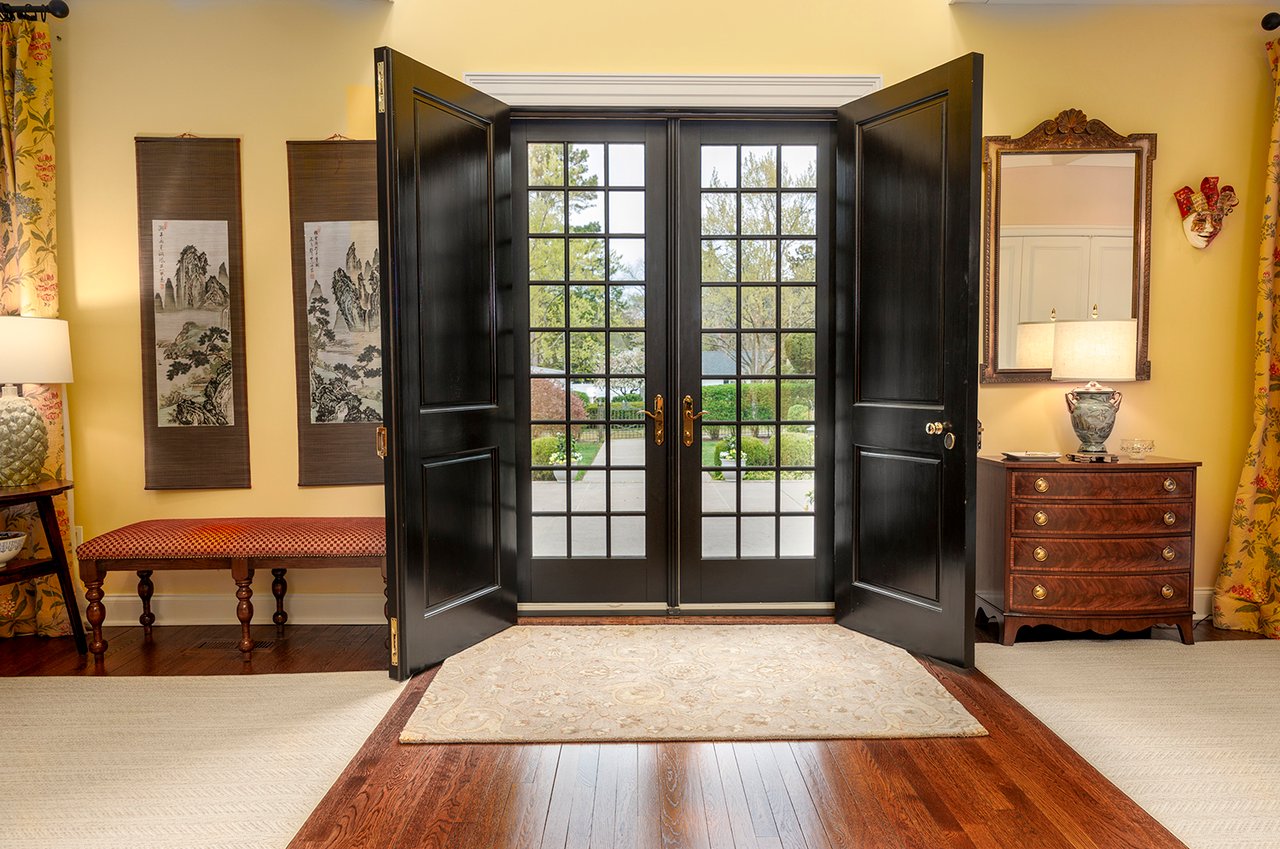
When you tour a historic home in Easton, you usually know within minutes whether it feels truly special. Luxury buyers are not just looking for square footage. They are looking for authenticity, comfort, and the kind of details that make a home feel rooted in place. If you are considering buying or selling one of Easton’s historic properties, it helps to understand what stands out first and what carries long-term value. Let’s dive in.
Why Easton’s historic homes stand apart
Easton’s historic housing stock is not simply a collection of older homes. Within the town’s historic district, exterior changes are formally reviewed by the Easton Historic District Commission, which helps preserve the architectural character that draws buyers in the first place.
That context matters. According to the National Register description, Easton’s historic district includes about 900 buildings and structures, with architecture ranging from Federal and Greek Revival to Italianate and Queen Anne. The district reflects a long civic and architectural history, with a primarily residential core and a commercial center near the courthouse. That depth gives buyers something increasingly rare: a home with a real sense of identity.
Easton’s history also helps explain why this segment continues to attract high-end interest. The town has long served as Talbot County’s governmental center, and local historical records note that the area became a summer-home destination for wealthy Northerners after the Civil War. Today, that legacy still shapes demand from buyers seeking a second home, a refined in-town residence, or a move that offers both charm and daily convenience.
What luxury buyers notice first
Original character
Luxury buyers often respond first to what cannot be easily recreated. In Easton’s historic homes, that usually means original millwork, masonry, exposed beams, well-kept proportions, and period details that have not been stripped away by overly generic renovations.
That preference lines up with broader design trends. The National Association of Home Builders reports that buyers are placing greater value on personalization and authenticity, while National Association of Realtors trend coverage points to rising interest in vintage style, charm, and storied spaces. In a town like Easton, that means buyers usually want the house to feel credible, not overproduced.
Strong first impressions outside
Before a buyer studies floor plans or finishes, they notice the exterior. In Easton, curb appeal has more weight because historic homes are part of a larger architectural streetscape. Buyers tend to pay attention to brickwork, porches, rooflines, windows, shutters, walkways, landscaping, and whether updates feel appropriate to the home.
This is also where sellers need to be especially thoughtful. In Easton’s historic district, exterior work such as window, siding, and roofing replacement may require review depending on visibility, material, and significance, according to the town’s historic district guidance. A polished exterior matters, but so does preserving the home’s identity.
A finish level that feels consistent
Luxury buyers notice when a home feels cohesive. They are looking for quality finishes, but also for consistency between old and new. A carefully updated kitchen in a historic home can be very appealing. A kitchen that ignores the scale, materials, or tone of the rest of the house often feels out of step.
The same goes for baths, lighting, and built-ins. Buyers tend to respond best when updates improve daily use without making the home feel disconnected from its architecture.
Livability matters as much as charm
Character opens the door, but function often decides whether a buyer stays interested. Even in the luxury segment, buyers want homes that support how they actually live.
According to NAHB’s buyer preference study, highly desired features include laundry rooms, patios, front porches, hardwood flooring, full baths on the main level, walk-in pantries, and table space in the kitchen. Buyers also place strong value on specialty spaces like home offices, dining rooms, great rooms, and separate living rooms.
In Easton’s historic homes, the most appealing properties usually balance period charm with practical updates such as:
- A kitchen that functions well for everyday living and entertaining
- Bathrooms that feel current without looking generic
- Storage that supports full-time or part-time use
- Flexible rooms for office, library, guest, or den use
- Main-level features that make the home easier to enjoy over time
For many buyers, especially relocators and downsizers, these details are not small extras. They are part of what makes a historic home feel sustainable for the long term.
Outdoor space carries real weight
In the luxury market, outdoor living is no longer optional. Buyers notice whether a historic home offers inviting exterior spaces and whether those spaces feel naturally tied to the architecture.
Recent NAHB design trend reporting highlights strong buyer interest in patios, front porches, landscaping, outdoor fireplaces, and outdoor kitchens. For Easton’s historic homes, the most successful outdoor areas usually feel like an extension of the house rather than a generic backyard project.
That could mean:
- A front porch that reinforces the home’s original presence
- A private brick terrace or patio tucked behind the house
- Thoughtful lighting that improves both beauty and usability
- Landscaping that frames the architecture rather than competes with it
Buyers in Easton are often drawn to homes that support entertaining, quiet mornings, and easy movement between indoors and out. Outdoor rooms that feel settled and intentional can make a lasting impression.
Energy efficiency still matters
Historic charm does not cancel out practical concerns. Luxury buyers still pay attention to operating costs, comfort, and efficiency, especially if they are comparing several properties in a market with options.
NAHB trend reporting shows growing interest in ENERGY STAR windows and appliances, efficient lighting, programmable thermostats, multizone HVAC systems, and energy management systems. In a historic home, buyers often notice when these improvements have been handled carefully and when they support comfort without compromising visible character.
For sellers, this is an important distinction. Buyers are rarely asking for a historic house to feel brand new. They are looking for signs that the home has been thoughtfully maintained and updated where it counts.
Why selectivity matters in today’s market
Easton and Talbot County give buyers room to be selective. Realtor.com market data for Talbot County shows a county median listing price of $525,000, about 360 properties for sale, a 95-day median time on market, and a 97% sale-to-list ratio. The same source shows notable pricing differences across the county, with higher-priced luxury pockets like St. Michaels and Tilghman Island.
Easton itself is priced below some of those waterfront enclaves, with Realtor.com reporting a median listing home price of $465,000, 212 active homes for sale, and an average time to sell of 67 days. A Zillow market snapshot points in a similar direction, showing an average home value of $451,055 and homes going pending in about 62 days.
A broader Maryland Realtors year-end report adds that Talbot County finished 2025 with 578 closed sales, a median sold price of $515,000, an average sold price of $819,440, 4.2 months of inventory, and a median 31 days on market. Taken together, these figures suggest that buyers have choices, especially in Easton, and they are likely to notice quality, condition, and authenticity quickly.
Updates that support value
If you own a historic home in Easton, the best improvements are often the ones that make the house work better without changing what makes it memorable. Easton’s historic district ordinance explicitly ties preservation to protecting heritage and helping stabilize property values, which reinforces the value of thoughtful updates.
The most market-aligned priorities often include:
- Careful kitchen and bath improvements
- Better interior and exterior lighting
- Energy-smart HVAC and window decisions
- Outdoor spaces that feel integrated with the house
- Repair and maintenance that preserve original materials where possible
The least helpful changes are often the ones that erase scale, proportions, or visible architectural details without adding meaningful function. In this segment, buyers usually respond to homes that feel improved, not transformed beyond recognition.
What this means for buyers and sellers
If you are buying, it helps to look beyond surface charm. Pay attention to whether the home’s architectural features feel intact, whether updates support daily living, and whether exterior changes appear well considered for the district. In a place like Easton, the details tell you a great deal about long-term enjoyment and value.
If you are selling, presentation matters, but so does judgment. The goal is not to make a historic home look new. The goal is to show that it has been cared for, improved thoughtfully, and positioned in a way that respects both the property and the market.
That kind of guidance becomes especially valuable with architecturally significant homes, where pricing, preparation, and buyer positioning all require a more nuanced approach. If you are considering a purchase or sale in Easton, Laura Carney offers the local insight and steady guidance that distinctive properties deserve.
FAQs
What do luxury buyers look for in Easton historic homes first?
- Luxury buyers often notice original architectural details, exterior presence, and whether updates feel authentic to the home’s age and style.
Are renovations in Easton’s historic district regulated?
- Yes. The Easton Historic District Commission reviews many exterior changes, including alterations, reconstruction, and some replacements, depending on the scope and visibility of the work.
Do Easton luxury buyers care about modern features in older homes?
- Yes. Buyers often want historic character paired with practical features like updated kitchens and baths, usable storage, outdoor living space, and efficient HVAC or lighting.
Is outdoor space important for Easton historic homes?
- Yes. Buyers often place strong value on patios, porches, landscaping, and outdoor areas that feel like a natural extension of the house.
How competitive is the Easton, Maryland housing market?
- Easton buyers currently have options, with active inventory and moderate days on market suggesting that well-presented homes stand out more clearly.
Which improvements add value to a historic home in Easton?
- Improvements that usually support value include careful kitchen and bath updates, better lighting, energy-conscious systems, and exterior enhancements that preserve the home’s architectural character.