The home inspection comes back clean. Roof, HVAC, foundation, electrical panel, all sound. The buyer exhales, the lender is happy, and everyone moves toward closing feeling like the hard part is over.
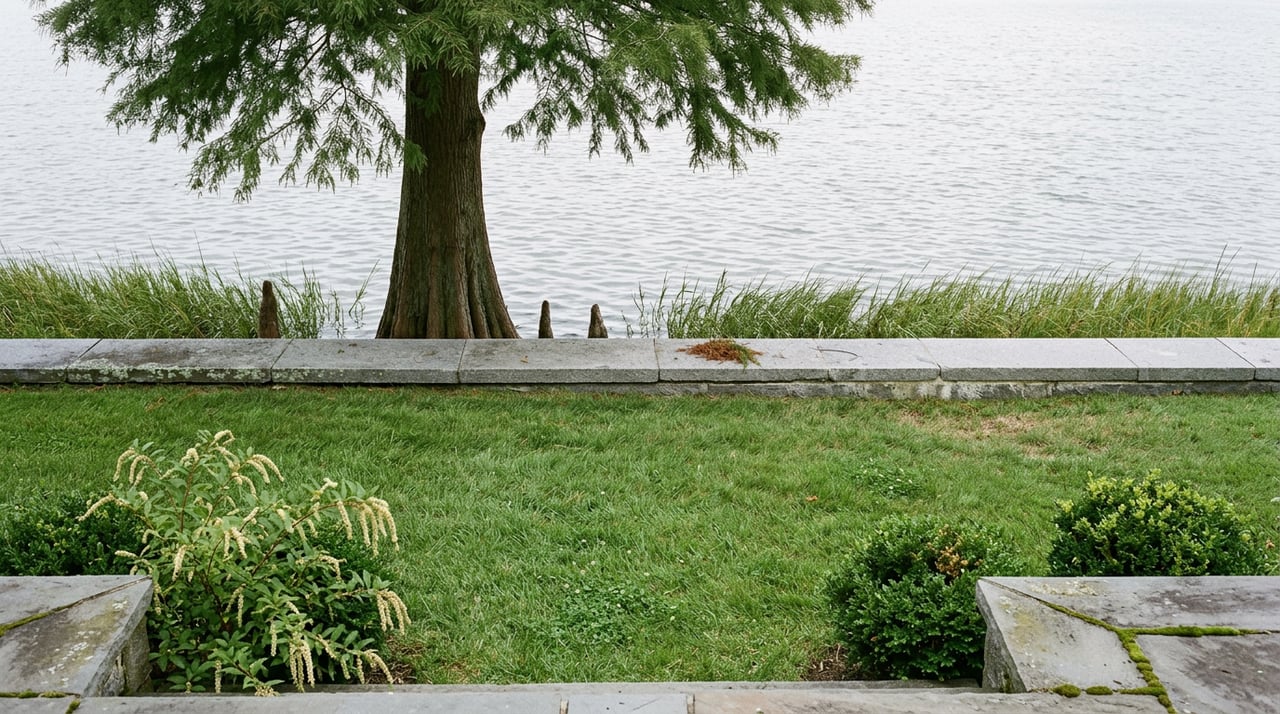
But on a waterfront property in St. Michaels, the report in that buyer's hand covers the house. It does not cover the two structures where the real cost and the real risk actually sit: the pier and the bulkhead. Those get a walk-by, maybe a photo, rarely a professional evaluation. And Talbot County does not treat either one as a private homeowner improvement you can fix on your own timeline. It treats them as regulated shoreline infrastructure, which means the assumptions most buyers carry into a waterfront purchase, that a dock is a dock and a seawall is a seawall, run straight into a permitting process most sellers never had to think about because they've owned the structure for twenty years and never touched it.
Two Approvals, Not One
Private construction of a pier, bulkhead, or revetment in the tidal waters of Talbot County requires a Zoning Permit from the County's Department of Planning and Zoning, and separately, a joint federal/state license from the Maryland Department of the Environment. Two agencies, two applications, two timelines that don't run on the same clock.
The county side is not where the friction lives. A zoning permit for marine work runs about $70. That's the easy part. The joint MDE license is where a project can stretch from a weekend fix into a months-long process, because the state evaluates the proposed structure against current Critical Area and wetlands standards, not the standards that were in place when the original pier or bulkhead went in decades ago. A structure that's been sitting quietly on a St. Michaels shoreline since the 1990s isn't automatically grandfathered into a new build. If it needs to come out and go back in, it gets judged by today's rules.
This is the detail that catches waterfront buyers off guard after closing, not before. The bulkhead looked fine at the walk-through. Two years later it needs replacing, and the process the seller never had to run because they never touched the thing turns into the buyer's first real education in Chesapeake shoreline regulation.
Who Actually Evaluates a Pier or Bulkhead
Nobody on the standard home inspection team is qualified to tell you how many years a bulkhead has left, and most won't try. That evaluation belongs to a marine contractor, and in St. Michaels, that's a short list. Bailey Marine Construction has operated out of Saint Michaels as a family-owned business with more than 125 years of experience in the Chesapeake Bay area, building and repairing docks, piers, bulkheads, and boat lifts up and down the Eastern Shore.
The point isn't that you need to hire this particular contractor. It's that shoreline work on the Chesapeake isn't handled by whoever does your gutters. It's a specialized trade with a limited number of qualified hands, and that scarcity is part of the timeline math. If a bulkhead needs replacing and the permit process takes months, the contractor's schedule adds more months on top of it. Buyers who assume shoreline repairs move at general-contractor speed are usually the ones surprised by how long a "simple" fix actually takes.
Before you waive a contingency, ask a marine contractor, not just your home inspector, to look at the pier and bulkhead directly. It's a small added cost against a structure that's expensive to replace and slow to permit.
The Flood Zone That Doesn't Look Like One
Talbot County participates in FEMA's National Flood Insurance Program Community Rating System, which currently earns the county a Class 7 rating. That status gets policyholders inside a Special Flood Hazard Area a 15 percent discount on flood insurance premiums, and properties outside those zones qualify for additional discounts of their own.
Here's the part that surprises buyers who've done a cursory flood-map check and moved on: zones that carry the letters B, C, or X are labeled moderate to low risk, not no risk. According to the county's own flood resiliency guidance, one in three flood insurance claims nationally comes from those moderate-to-low-risk designations. A property that isn't in a high-risk A or V zone can still take on water, and a buyer who reads "not in a flood zone" as "flooding isn't a real consideration" is reading the map wrong.
| Zone Prefix | Risk Classification | What It Means for a Buyer |
|---|---|---|
| A or V | High risk | Flood insurance is required if the loan is federally backed |
| B, C, or X | Moderate to low risk | Not required by most lenders, but still accounts for roughly one in three claims nationally |
There's a timing detail that matters just as much as the zone itself. Flood insurance policies carry a 30-day waiting period before coverage activates. A buyer who waits until the week before closing to get a flood quote, thinking it's a formality to handle alongside homeowners insurance, can end up owning a waterfront property with no flood coverage in place on day one. Price flood insurance the same week you go under contract, not the week you're signing.
Where This Shows Up on the Ground
None of this is abstract regulation sitting in a file cabinet in Easton. It's the exact question a buyer runs into on a deep-water lot along the Miles River, a quiet cove on San Domingo Creek, or a bulkheaded yard backing onto Harris Creek. Anywhere a St. Michaels property touches tidal water, the same two-agency permit structure applies to the pier and bulkhead, and the same flood-zone math applies to the insurance.
Water depth is worth checking on its own terms, separate from permits. A dock built decades ago may have been fine for the draft of boats common at the time and shallow for what a buyer wants to keep at the slip today. Ask about mean low water depth specifically, not just what the listing photos show at high tide, since the difference between the two is often the difference between a boat that fits and one that doesn't.
What To Confirm Before You Waive Contingencies
A few questions worth asking before removing an inspection contingency on a St. Michaels waterfront property:
- When was the pier or bulkhead originally built, and is a permit for it on file with Talbot County Planning and Zoning?
- Has any shoreline work been done in the last five to ten years, and was it permitted through both the county and the Maryland Department of the Environment?
- What does a marine contractor say about the structure's remaining life, evaluated separately from the general home inspection?
- What is the property's FEMA flood zone designation, and has a flood insurance quote been requested yet?
- What is the water depth at low tide, not just at the tide level shown in listing photos?
None of these questions are unusual to ask. What's unusual is how rarely they get asked before an offer goes in, because the standard inspection process doesn't prompt them.
FAQ
Does a bulkhead need a permit just to repair it, or only to build a new one? Talbot County's waterway improvement rules apply to private construction of a pier, bulkhead, or revetment in tidal waters generally. If you're planning anything beyond routine maintenance, confirm the scope with Talbot County Planning and Zoning before assuming the work is exempt.
If my property isn't in a flood zone, do I still need flood insurance? Lenders don't require it outside a Special Flood Hazard Area, but moderate-to-low-risk zones still account for a meaningful share of claims. Many Eastern Shore waterfront owners carry a policy regardless of the zone letter.
Who should evaluate the pier and bulkhead if not my home inspector? A licensed marine contractor. Firms like Bailey Marine Construction in Saint Michaels specialize in exactly this kind of shoreline evaluation, separate from a general home inspection.
Waterfront due diligence on the Eastern Shore isn't harder than any other real estate transaction. It just asks different questions, and the ones that matter most rarely show up on a standard inspection checklist. If you're weighing a waterfront purchase on the Miles River, San Domingo Creek, or anywhere else in St. Michaels, Laura Carney can walk the property with you, by land or by boat, and help you ask the right questions before you're past the point of asking them.