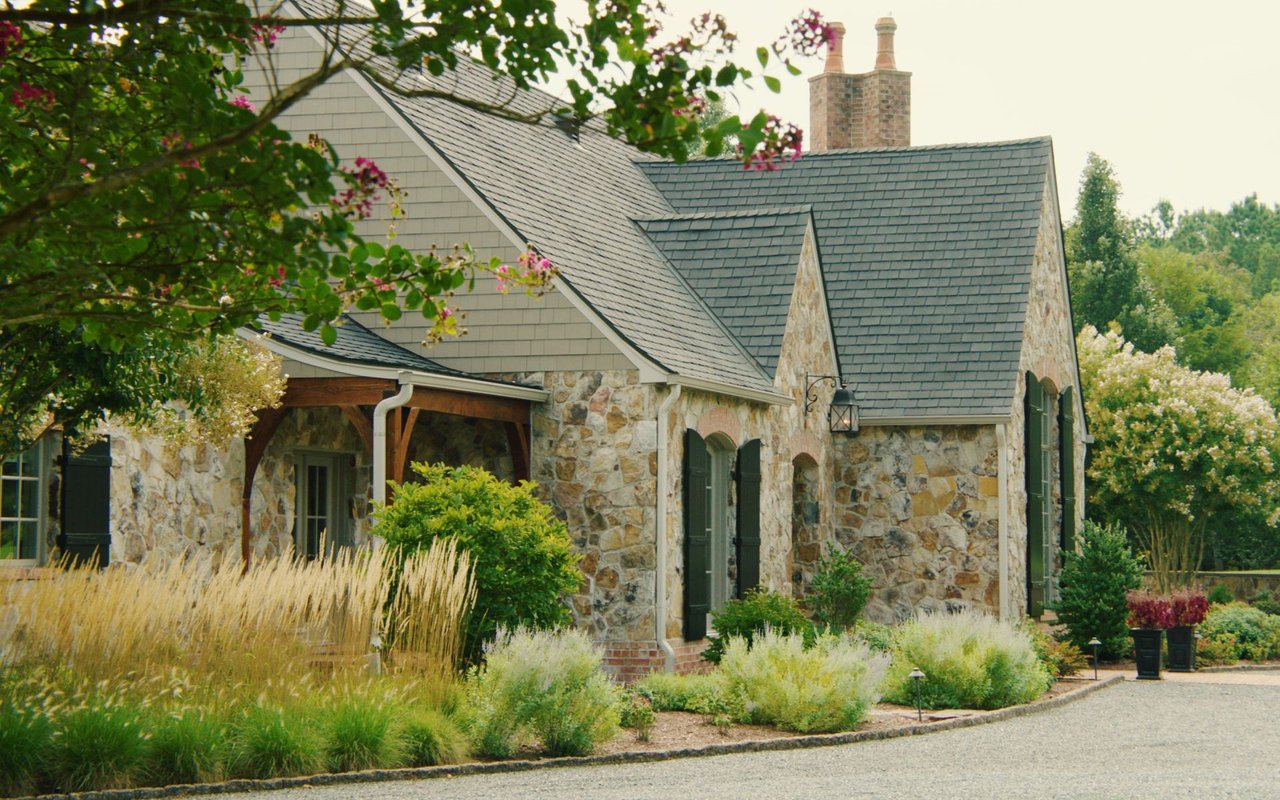
If you are drawn to Easton, one of the first questions to answer is surprisingly simple: do you want to live in town, or just outside it? Both options can be appealing, especially if you are looking for a full-time home, a seasonal retreat, or a place to simplify your next chapter. In Easton, that choice shapes your daily routine, your maintenance responsibilities, and even the kind of due diligence you will want to do before you buy. Let’s look at how in-town historic living compares with country and estate settings around Easton.
Why Easton Appeals to So Many Buyers
Easton offers a blend of small-town scale, established neighborhoods, and service access that stands out on Maryland’s Eastern Shore. The town’s estimated 2024 population was 17,381, while Talbot County’s was 38,244, according to U.S. Census QuickFacts. Housing is largely owner-occupied, and the household profile trends older, which helps explain why Easton often appeals to empty-nesters, second-home buyers, and those planning a lifestyle change.
Easton also has a strong sense of place. The town notes that it was formally recognized in 1710 and includes nearly two dozen public parks and open spaces, while the Easton Arts District spans more than 110 acres and includes the Historic District, East End, and nearby residential and commercial areas. That gives you a town center with cultural anchors, established architecture, and a more connected day-to-day experience.
In-Town Easton Living
For many buyers, in-town Easton is about convenience and character. You are closer to downtown, civic services, arts venues, and medical care, with a lifestyle that can feel easier to manage on a daily basis.
Historic Character Comes With Rules
Easton’s historic setting is not just visual appeal. It is supported by a formal preservation framework. The town’s historic district ordinance states that the overlay zones are intended to preserve historic structures and neighborhood character, while also helping strengthen the local economy and stabilize property values.
That matters if you are considering an older in-town home. The Historic District Commission reviews exterior work in the district, and changes beyond routine maintenance generally require review and a certificate of appropriateness. Windows, roofing, siding, and similar items may be considered case by case, so buyers should understand that stewardship is part of ownership in these locations.
Municipal Utilities Can Simplify Ownership
One of the biggest practical benefits of living in town is utility infrastructure. Easton Utilities provides electric, water, wastewater, natural gas, cable television, and internet service in town and parts of the surrounding area. Easton also notes that there are very few private wells or septic systems within town limits.
For you, that can mean fewer property-specific systems to monitor. If you want a more lock-and-leave lifestyle, especially for seasonal use, municipal utilities can be a meaningful advantage.
Access to Services Is Stronger in Town
Another distinction is proximity to healthcare and other daily services. University of Maryland Shore Medical Center at Easton is located on South Washington Street and offers inpatient and outpatient services including cardiology, imaging, rehabilitation, stroke care, and women’s health, among others.
If being close to healthcare, downtown amenities, and town services matters to you, an in-town address may offer a more practical fit. That is especially relevant for buyers planning ahead for ease, convenience, and shorter drive times.
Country Estates Around Easton
Once you move beyond town boundaries, the experience changes. You may gain more land, privacy, and a different relationship to the landscape, but you also take on more responsibility for how the property functions.
More Land Often Means More Oversight
Easton’s water resources plan states that water and wastewater service are not extended to properties outside town boundaries. In many edge-of-town and rural settings, homes are more likely to rely on private wells, septic systems, or existing out-of-town arrangements rather than a full municipal utility setup.
That difference is central when comparing in-town homes with country estates. A property that feels only a few minutes from downtown may still operate very differently behind the scenes.
Well and Septic Due Diligence Matters
If you are considering a country or estate property, infrastructure questions should move to the top of your list. The EPA’s septic guidance explains that the property owner is responsible for operation, maintenance, repairs, and replacement of a septic system, and many septic users also rely on a private well.
That means buyers should look closely at:
- The age and condition of the septic system
- The age, yield, and history of the well
- Any known repair or replacement needs
- Whether the parcel has adequate space and approvals for future repairs
In Easton’s own planning documents, Ratcliffe Farm is identified as a 15-lot waterfront subdivision developed on private wells and septic systems. It is a useful reminder that even higher-end or near-town properties may still require rural-style infrastructure diligence.
Flood and Site Conditions Need Review
Estate properties can bring beautiful settings, but they also require careful attention to site conditions. This is particularly important for waterfront or low-lying parcels. Talbot County flood information notes that standard homeowner’s insurance does not cover flood damage, that separate flood insurance is needed, and that construction in flood zones requires permits and may also require elevation certificates.
If you are comparing larger parcels, it is wise to review:
- Floodplain status
- Drainage patterns across the site
- Elevation and low-lying areas
- Permit history for prior work
- Any insurance implications tied to the location
The larger the property, the more these details can influence long-term ownership costs and maintenance planning.
Walkability or Acreage?
For many buyers, this is the clearest way to frame the decision. In-town Easton tends to offer more immediate access to arts and civic life, while country settings offer more privacy and room to spread out.
The Maryland State Arts Council’s overview of the Easton Arts District highlights the concentration of cultural destinations in and around the core. If you enjoy being near galleries, performance venues, historic streets, and town services, in-town living may better match your routine.
If your priorities are land, separation from neighbors, or an estate setting with more outdoor room, the area outside town may feel more compelling. The tradeoff is that your property is likely to demand more active oversight.
Which Lifestyle Fits Best?
The choice between in-town and country living around Easton is not about one being better than the other. It is about how you want your home to function day to day.
In-Town May Suit You If You Want:
- A historic setting with established architectural character
- Easier access to downtown, arts venues, and services
- Municipal utilities and fewer private systems to manage
- A home that supports a simpler lock-and-leave routine
- Proximity to medical care and civic amenities
Country or Estate Living May Suit You If You Want:
- More land and privacy
- A setting that feels removed from town activity
- Space for broader outdoor use and a more private arrival
- A property with estate-style scale or waterfront potential
- The ability to prioritize seclusion over convenience
In practical terms, the tradeoff is straightforward. In-town historic living often means more convenience and more architectural oversight. Country and estate living often means more privacy and more owner responsibility.
A Smart Way to Decide
If you are still weighing the options, think beyond appearance and focus on how you want to live. Ask yourself a few simple questions:
- Do you want to be closer to downtown and services, or would you rather have more land?
- Are you comfortable managing a well, septic system, grading, and drainage?
- Will this be a full-time home, a seasonal property, or a downsizing move?
- How important is a low-maintenance, lock-and-leave setup?
- If the property is waterfront or low-lying, have you reviewed flood considerations carefully?
Around Easton, both lifestyles are valid and appealing. The key is matching the property to your priorities with clear eyes and careful due diligence.
If you are considering an in-town historic home or a country estate around Easton, working with a local advisor who understands how these properties function can make the process more confident and more efficient. Laura Carney brings deep Talbot County roots, long experience across Eastern Shore real estate, and a steady, informed approach to helping buyers evaluate the details that matter most.
FAQs
What is the main difference between in-town and country homes around Easton?
- In-town homes typically offer closer access to downtown, healthcare, arts venues, and municipal utilities, while country and estate properties usually offer more land and privacy but often rely on private wells and septic systems.
Do historic homes in Easton require approval for exterior changes?
- Yes. In Easton’s historic districts, exterior changes beyond routine maintenance generally require review by the Historic District Commission and a certificate of appropriateness.
Are homes outside Easton town limits usually on public water and sewer?
- No. Easton’s planning documents state that water and wastewater service are not extended outside town boundaries, so many out-of-town properties rely on private systems.
Why are wells and septic systems important for Easton-area estate properties?
- They affect maintenance, repair costs, and future replacement planning, and buyers should review condition, age, and site capacity before purchasing.
Do Easton-area waterfront or low-lying properties need flood review?
- Yes. Talbot County states that flood damage is not covered by standard homeowner’s insurance, so buyers should review floodplain status, permitting, and insurance needs carefully.
Is Easton a good fit for empty-nesters or second-home buyers?
- Easton’s owner-occupied housing profile, older household demographic, arts-oriented downtown, and service access can make it appealing for empty-nesters, seasonal owners, and buyers seeking a simpler next chapter.